Quilt Binding Calculator — Strips & Fabric Yardage
Plan straight-grain binding strips, account for joins and end allowance, and buy the right fabric increment. Includes a visual cutting plan and printable list.
Straight-grain quilt binding
Fabric for your quilt’s finishing edge
0.5 yd of fabric7 strips · 2.5 in wide · 42 in long
Includes internal joins, your end allowance and fabric squaring. Rounded up to your shop’s selling increment.
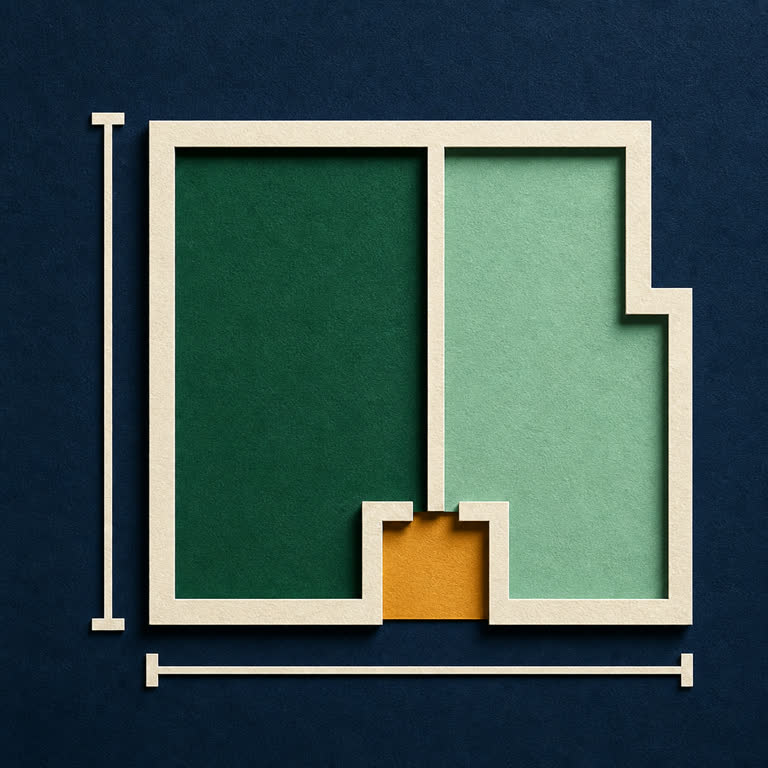
Adjust quilt measurementsQuilt shape is proportional. The illustrated edge thickness is decorative, not the finished binding width.
Plan your binding strips
Use the measured finished quilt and fabric width after removing selvages. Enter up to three decimal places. Examples are editable starting points.
Join losses, end allowance and squaring
Internal joins are counted separately. The end allowance below must not include those same internal losses again.
Your cutting and shopping plan
All 7 strips shown. Squaring allowance is separate from the strip layout.
How the fabric is used
- Quilt perimeter: 2 × (54 + 72) = 252 in.
- Add 12 in for closing and corners: 264 in required.
- 7 strips × 42 in − 6 joins × 2.5 in = 279 in joined binding.
- 7 strips × 2.5 in = 17.5 in cutting depth.
- Add 0.5 in for squaring: 18 in of fabric; buy 0.5 yd.
15 in of joined binding remains beyond the planned perimeter and end allowance. No extra fabric depth after squaring.
Why subtract join losses?
Seven 42-inch strips do not make 294 inches of usable binding once joined. With six internal joins losing 2.5 inches each, the joined chain is 279 inches. This calculator finds the smallest whole strip count that covers the perimeter plus your separate end allowance.
Extra binding is not extra fabric depth
The closing-and-corner allowance lengthens the joined binding you need. The squaring allowance is added to the depth cut from the bolt. Purchase rounding may leave additional fabric. These are separate quantities, all shown in the plan.
Straight grain and bias binding
This plan cuts strips across the width of the fabric. Joining those strips on a diagonal does not make them bias-cut strips. For bias-cut tape from a square, use the continuous bias binding cutting planner. Curved quilt edges, pattern matching, fabric shrinkage and finished binding width still need the allowances or test sample appropriate to your project.
Check your sewing method
The Quilt Guild binding guide, pages 6–7, distinguishes an overall allowance from per-join and final-closing allowances. Measure your usable width and adjust the allowances for your technique. For fabric behind the quilt top, compare seam directions in the quilt backing calculator. Explore more tools in the calculator catalog.