Serial Dilution Calculator — Transfer & Retained Volumes
Plan a dilution series with enough liquid left in every tube. Compare prepared and retained volumes, edit concentrations and save your transfer plan.
Plan transfers and diluent, then see what remains for use. Start with a repeated dilution or enter your own descending concentrations.
Your target tubes
Enter the amount that must remain after onward transfers.
Check my equipment limits
Optional limits you supply. A flagged plan needs review; volumes are never rounded silently to match equipment.
Your transfer plan
Equipment limits have not been checked.
Tube 1 · 500 µM
- Add 98.4375 µL of diluent.
- Transfer 98.4375 µL from stock.
- Mix fully: 196.875 µL is now prepared.
- Send 96.875 µL to tube 2.
- Left for use: 100 µL.
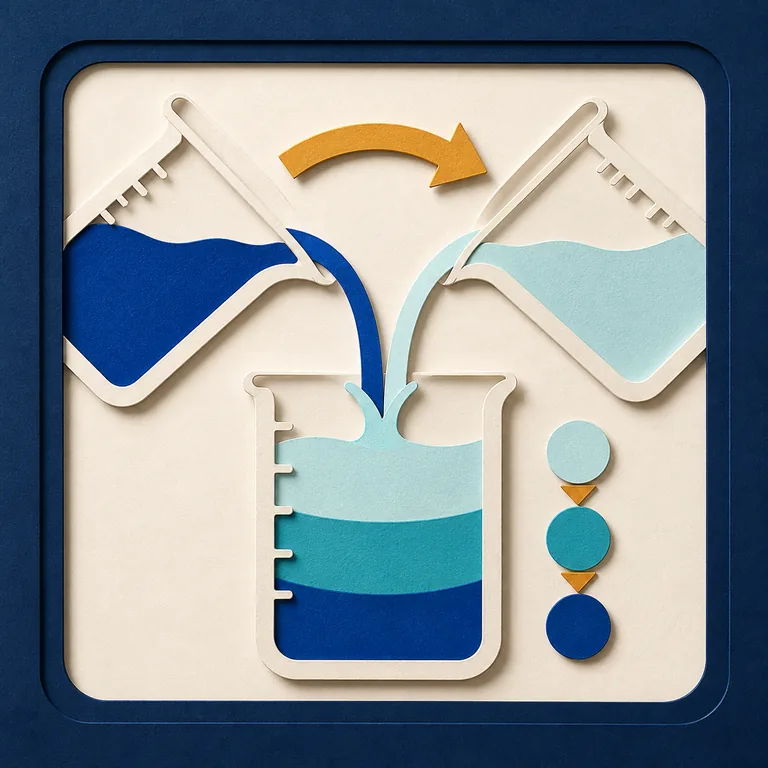
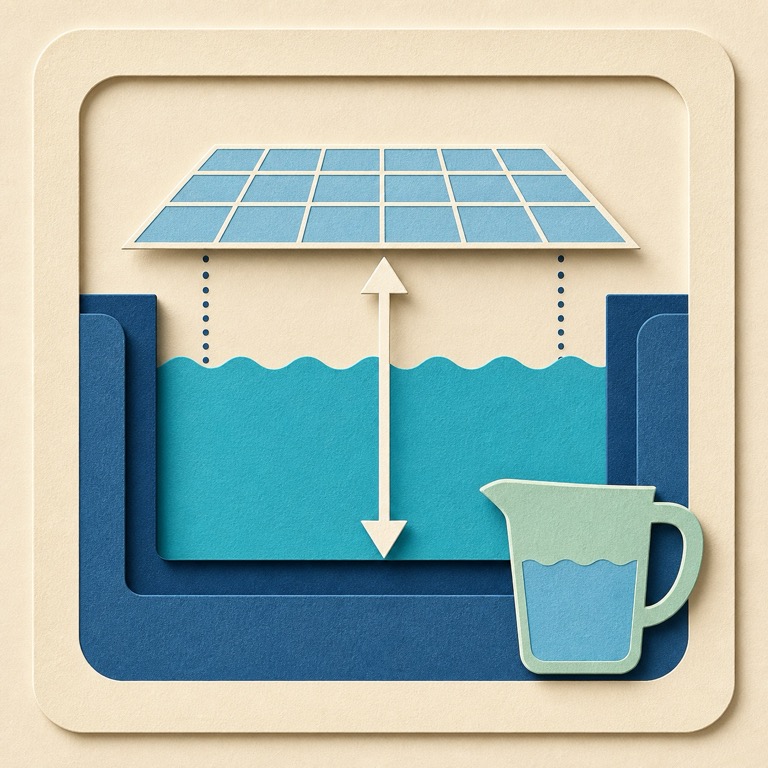
Left diagram: teal is incoming source, pale fill is diluent. Right diagram: teal remains, hatched area is sent onward. Both use the same volume scale.
| Tube | Concentration | Transfer in | Add diluent | Made | Sent onward | Left for use |
|---|---|---|---|---|---|---|
| 1 | 500 µM | 98.4375 µL | 98.4375 µL | 196.875 µL | 96.875 µL | 100 µL |
| 2 | 250 µM | 96.875 µL | 96.875 µL | 193.75 µL | 93.75 µL | 100 µL |
| 3 | 125 µM | 93.75 µL | 93.75 µL | 187.5 µL | 87.5 µL | 100 µL |
| 4 | 62.5 µM | 87.5 µL | 87.5 µL | 175 µL | 75 µL | 100 µL |
| 5 | 31.25 µM | 75 µL | 75 µL | 150 µL | 50 µL | 100 µL |
| 6 | 15.625 µM | 50 µL | 50 µL | 100 µL | 0 µL | 100 µL |
Ideal volume balance for a fully mixed solution and analyte-free diluent. Volumes are assumed additive; adsorption, reaction, evaporation and pipetting errors are not modelled. Follow your validated laboratory method. This does not predict assay results.
Complete plan
Serial dilution plan
Stock: 1000 µM
Mode: Specified volume remains after onward transfers
Stock needed: 98.4375 µL; total diluent: 501.563 µL; total left for use: 600 µL
Equipment limits not checked.
Tube 1 · 500 µM: add 98.4375 µL diluent, transfer 98.4375 µL from stock, mix 196.875 µL, send 96.875 µL onward, keep 100 µL.
Tube 2 · 250 µM: add 96.875 µL diluent, transfer 96.875 µL from tube 1, mix 193.75 µL, send 93.75 µL onward, keep 100 µL.
Tube 3 · 125 µM: add 93.75 µL diluent, transfer 93.75 µL from tube 2, mix 187.5 µL, send 87.5 µL onward, keep 100 µL.
Tube 4 · 62.5 µM: add 87.5 µL diluent, transfer 87.5 µL from tube 3, mix 175 µL, send 75 µL onward, keep 100 µL.
Tube 5 · 31.25 µM: add 75 µL diluent, transfer 75 µL from tube 4, mix 150 µL, send 50 µL onward, keep 100 µL.
Tube 6 · 15.625 µM: add 50 µL diluent, transfer 50 µL from tube 5, mix 100 µL, send 0 µL onward, keep 100 µL.
Ideal volume balance for a fully mixed solution and analyte-free diluent. Volumes are assumed additive; adsorption, reaction, evaporation and pipetting errors are not modelled. Follow your validated laboratory method. This does not predict assay results.
How the balance works · sources
Transfer in = prepared volume × target concentration ÷ source concentration. Diluent = prepared − transfer in. Left for use = prepared − transfer sent to the next tube. To keep a chosen amount, the plan works backward: prepared = required remainder + next transfer. The total starting stock plus diluent equals the liquid remaining in all tubes.
Every concentration must have the same basis; molar and mass concentrations are not interchangeable without molecular weight. First target may equal the stock; later targets must decrease. The mathematical limits are 1–30 tubes, finite positive concentrations and volumes up to 10⁹ µL per stage. Limits describe this calculator, not suitable equipment or procedures. Displayed volumes are rounded to six significant digits; calculations and saved files retain unrounded values. Review values against your equipment before use.
Sources: Thermo Fisher E1-ClipTip manual, serial dilution example pp. 67–69; Thermo Fisher standard dilution setup. The manufacturer example uses 30 µL source plus 270 µL buffer for a ten-fold step. Worked examples here illustrate the balance; they are not prescribed assay protocols.